kashiroots
LOADING

Name and Titles

Hazrat Mir Sayyid Ali Hamadani (RA), popularly known as Shah-e-Hamadan (King of Hamadan)


Dates and Places

Born 714 AH / 1314 CE in Hamadan (Iran); died 786 AH / 1384 CE at Kunar (en route east); buried at Khatlan (Tajikistan)


Order and Lineage


Leading figure of the Kubrawiyya order, a disciple of Shaykh Maḥmud Muzdaqani, within the lineage of Najm al-Din Kubra, Ala al-Dawla Simnani, and Ammar Yasir

Image

Biography

Hazrat Mir Sayyid Ali Hamadani (RA) was born into a respected Alawi Sayyid family tracing descent from Hazrat Ali (AS), the fourth Caliph. He was renowned for his learning, asceticism, and extensive travels across the Islamic world.

According to multiple chronicles, he visited Kashmir three times – in 1372, 1379, and 1384 CE - bringing with him a circle of scholars, artisans, and preachers. Tradition holds that he travelled with around 700 Sayyids and craftsmen, who introduced new techniques in shawl-weaving, papier-mâché, and calligraphy, profoundly influencing Kashmiri culture.

Image

Works

Hazrat Mir Sayyid Ali Hamadani (RA) was a prolific author in Persian and Arabic. Among his authenticated works are:

  • Zakhirat al-Muluk – a treatise on ethical governance and the duties of rulers
  • Awrad-i Fatḥiyya – a devotional litany widely recited in Kashmir
  • Risalat al-Wuud – reflections on spiritual promises and divine love
Legends and Oral Tradition
DON’T MISS THE OPPORTUNITY

Legends and Oral Tradition

Tradition holds that during his time in Kashmir, the recitation of Awrad-i Fatḥiyya brought peace in times of turmoil and famine. These stories reflect enduring faith in his intercession and are revered in Kashmiri oral memory.

Image

Institutions and Disciples

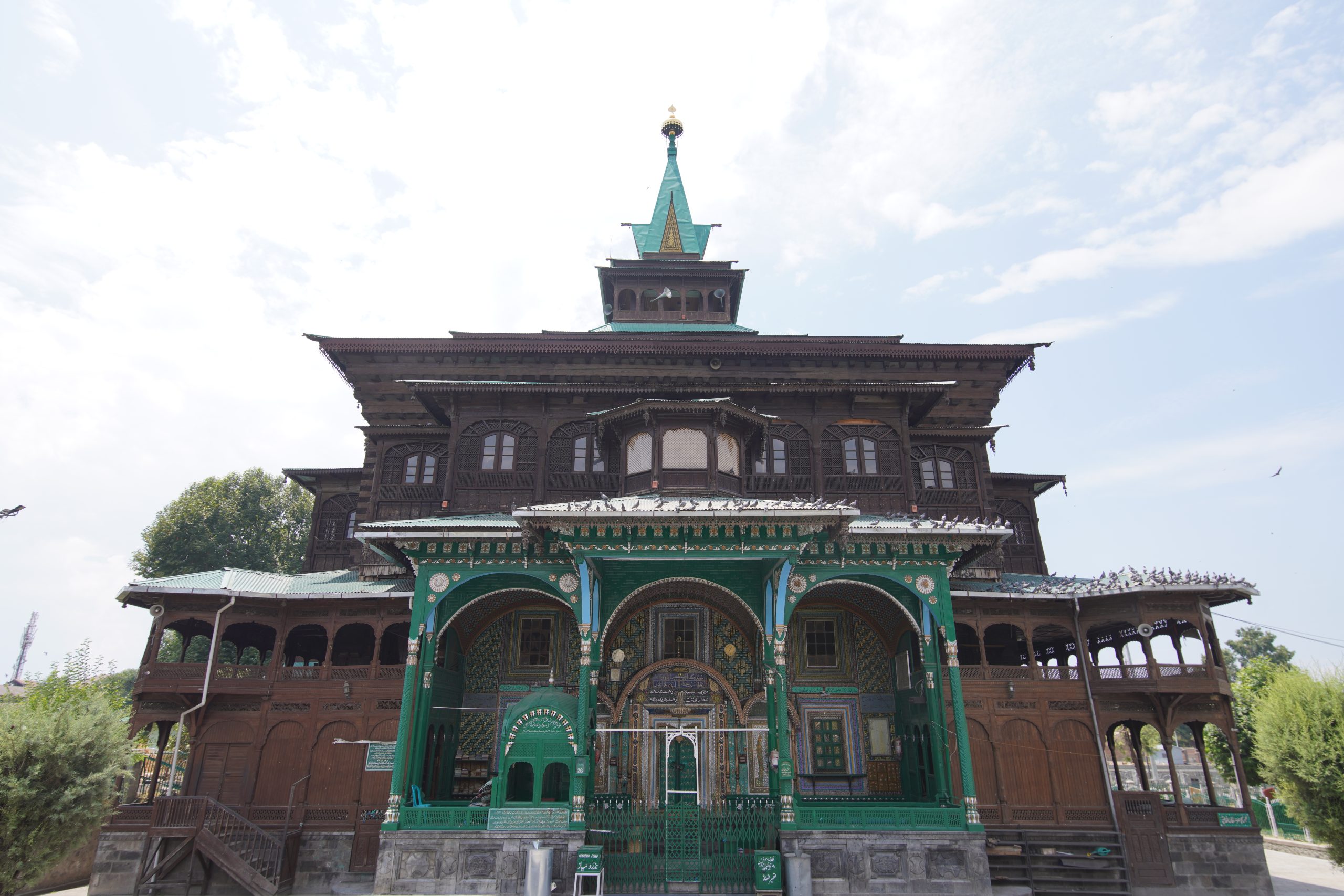
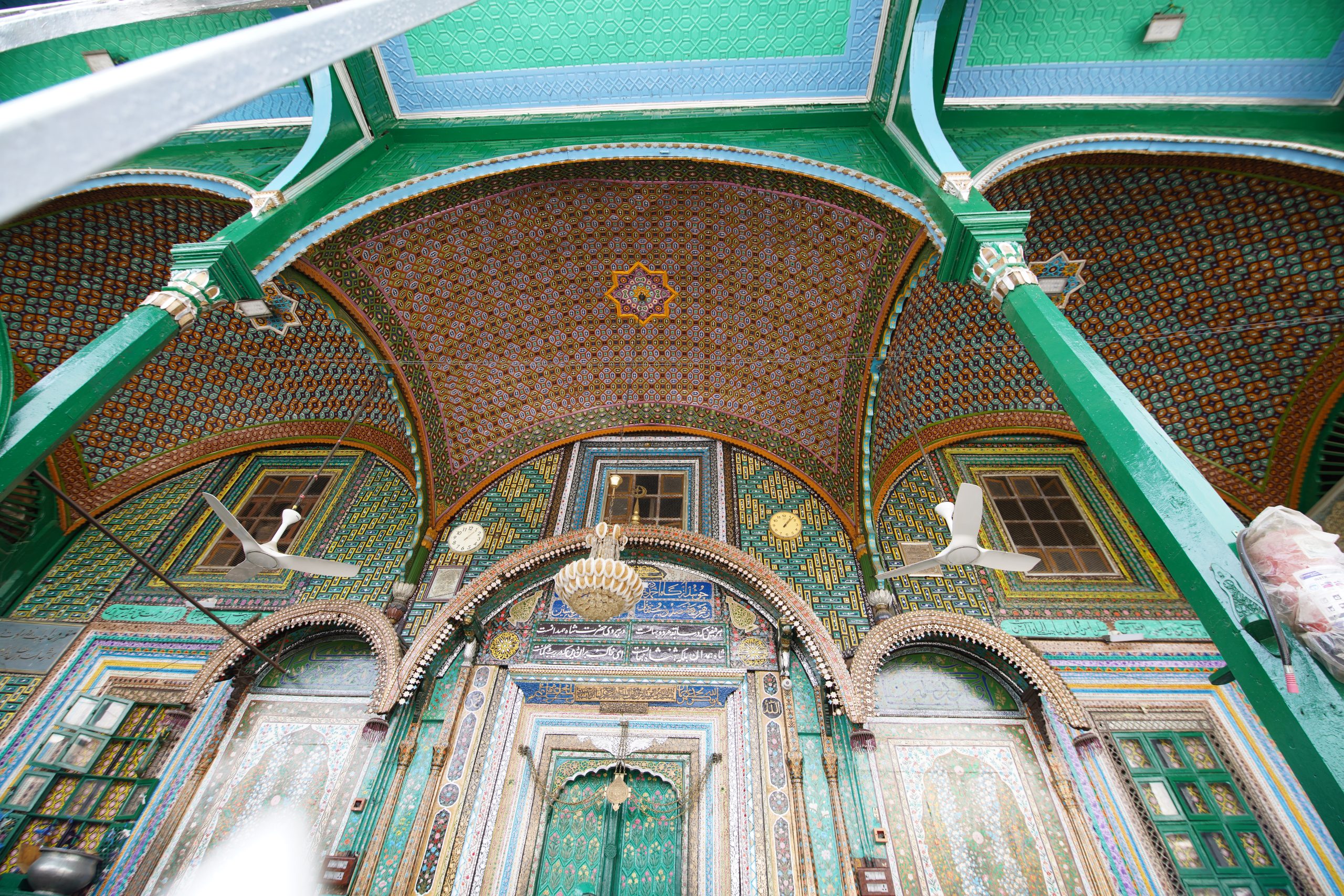
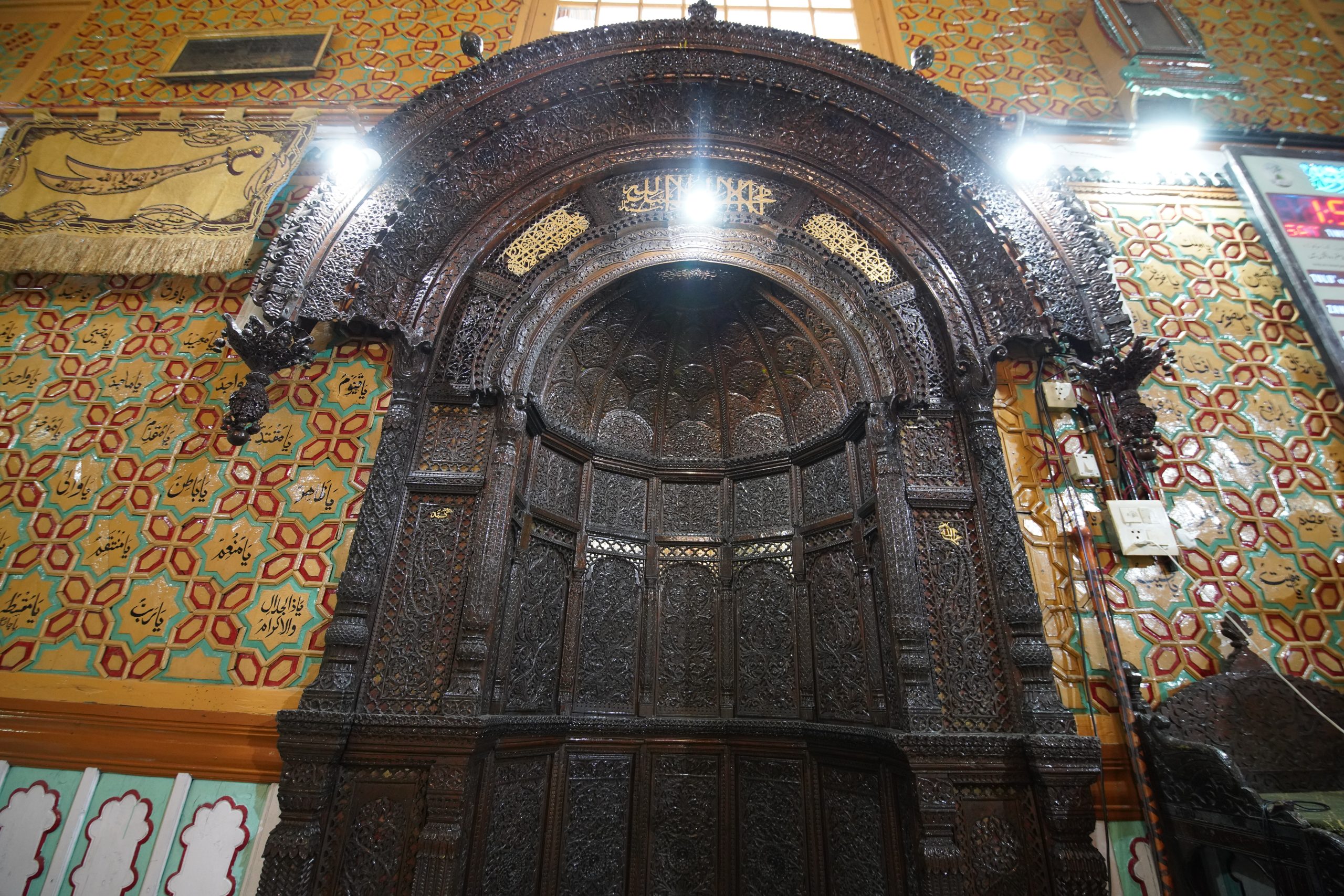
His mission was instrumental in establishing the Kubrawiyya order in Kashmir. The Khanqah-e-Moula (1395 CE), built in his memory by Sultan Sikandar, became a centre of learning and spirituality.

His disciples – including Sayyid Ḥusain Simnani (RA) and Sayyid Muḥammad Madani (RA) - carried his teachings forward throughout the Valley.

Teachings and Themes

His writings emphasize:

Ethical conduct in governance

The unity of Sharia and Haqiqa (law and inner truth)

Promotion of social justice and collective welfare

Integration of mysticism with scholarship

He is also credited with introducing Kashmiri Muslims to structured awrad (devotional litanies), a practice that continues today.

Legacy and Shrine

Hazrat Mir Sayyid Ali Hamadani (RA) passed away during travel and was buried at Khatlan (Tajikistan). His spiritual and cultural influence shaped Kashmir’s religious identity for centuries. The Khanqah-e-Moula in Srinagar remains a major centre of pilgrimage.

 

Further Reading

Baharistan-i-Shahi (Persian chronicle)

Waqiat-i-Kashmir by Khawaja Muḥammad Aẓam Didmari

Khanqah-e-Moula, heritage records (JKTDC)

Zakhirat al-Muluk and Awrad-i Fatḥiyya (ed. Hamidullah)

Kashmir Observer (2020) and Countercurrents (2021) on Hamadani’s visits